
US Secretary of State Marco Rubio said on 8 November that Iran’s demands in negotiations are “outrageous and ridiculous” and that talks are not close to a breakthrough, according to the Times of Israel’s liveblog. He was speaking in Florida before a G7 foreign ministers’ meeting in Paris. Rubio did not confirm reports of new strikes, but said the United States would defend itself against a clear threat to shipping or American forces.
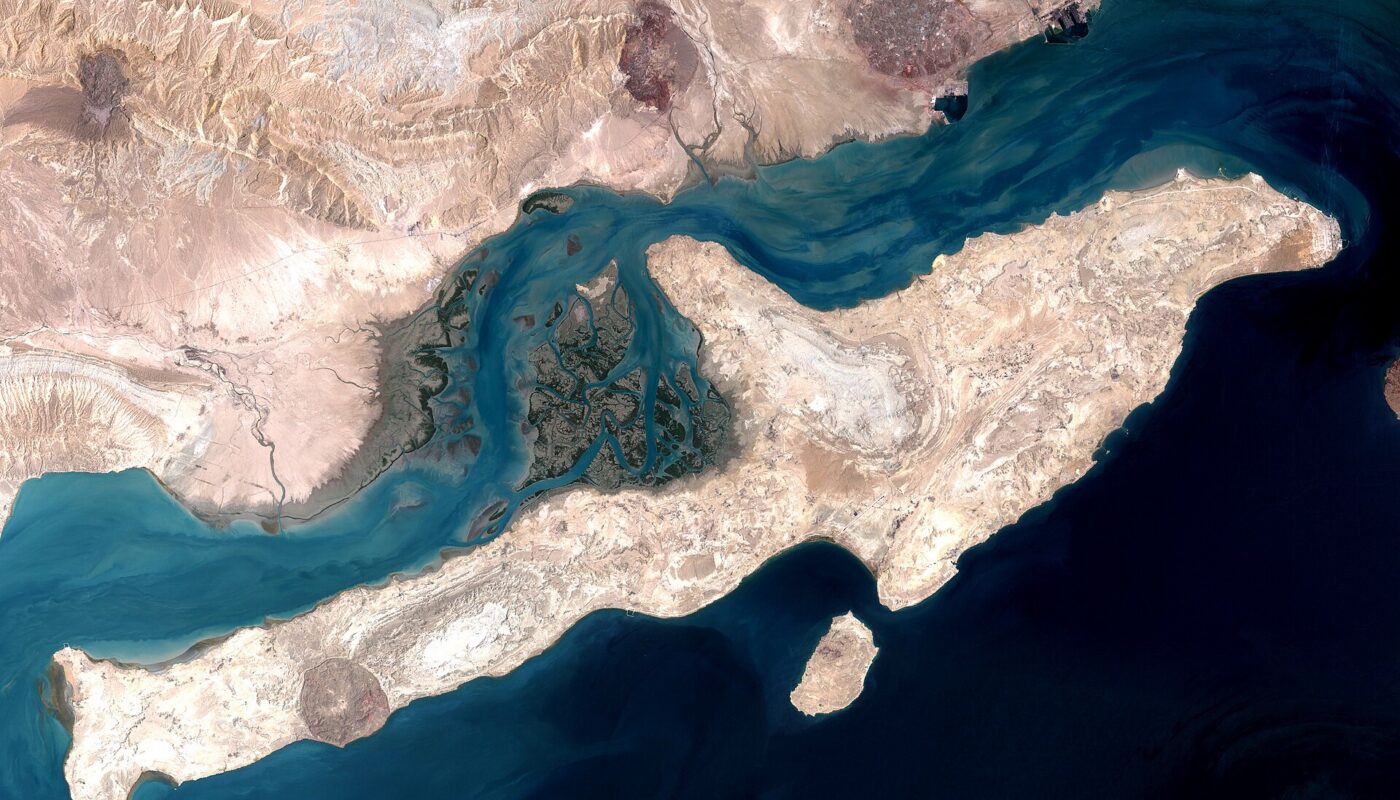
Iranian state media reported that residents of Qeshm Island, in the Strait of Hormuz, heard several explosions. There has been no official confirmation of the cause, the liveblog noted.
In a separate interview with 60 Minutes, President Donald Trump put Republican losses in the midterm elections down to several factors, including the Iran war, higher fuel prices and his own name not being on the ballot. He also said there is “a great dislike, incredibly, for Israel” among Americans, without explaining the remark, and said he had no problem with Vice President JD Vance linking the war and ties with Israel to the losses. Trump added that he sees the war as one of the best decisions he has made, and that Israeli opposition leader Gadi Eisenkot and Prime Minister Benjamin Netanyahu have very similar policies.
Reporting note: These are statements from officials relayed by one liveblog, and the cause of the Qeshm explosions is unverified. The photograph is a NASA satellite image of Qeshm Island, a file image, not from the reported events.
Photo: NASA image using data provided courtesy of the University of Maryland’s Global Land Cover Facility / Public domain / Wikimedia Commons