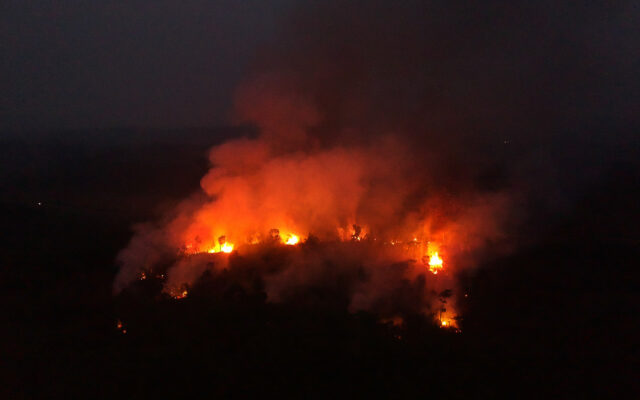

Cyclone Akvan crossed the coast of southern Odisha and northern Andhra Pradesh near Gopalpur in the early hours of 20 November, according to the India Meteorological Department (IMD), as reported by the weather-monitoring site The Watchers. Sustained winds at landfall were 70 to 80 km/h, with gusts up to 90 km/h. By the afternoon the system had weakened to a deep depression about 80 km north of Gopalpur.
The storm came ashore farther north, several hours earlier and at a lower intensity than the IMD had forecast on 18 November, when it expected a very severe cyclonic storm with winds of 120 to 130 km/h between Nellore and Visakhapatnam. The IMD recorded up to 209 mm of rain in 24 hours at Patrapur in Odisha, with 190 mm at Gopalpur.
The Odisha government said more than 300,000 people from 20 districts had been moved to safe shelters, and that residents of 941 landslide-prone villages were relocated. Officials put 2,623 cyclone shelters into operation and deployed 418 rescue and relief teams. The Indian Express reported that 47 trains were cancelled and schools, beaches and tourist sites closed as a precaution.
Odisha’s chief secretary said roads were flooded in parts of Berhampur and Digapahandi, where teams were pumping out water. No deaths or major damage to public infrastructure were reported in the initial assessment, and an Andhra Pradesh official told Reuters the storm had produced minimal impacts there. The IMD warned of a moderate flash-flood risk across parts of Odisha, West Bengal and Jharkhand over the next 24 hours.
Reuters described Akvan as the third cyclone to hit India’s eastern coast within a month.
Reporting note: This account relies mainly on The Watchers’ summary of IMD bulletins and Odisha government statements, with the Indian Express and Reuters cited by that outlet. Early damage assessments may change as officials survey the affected districts.
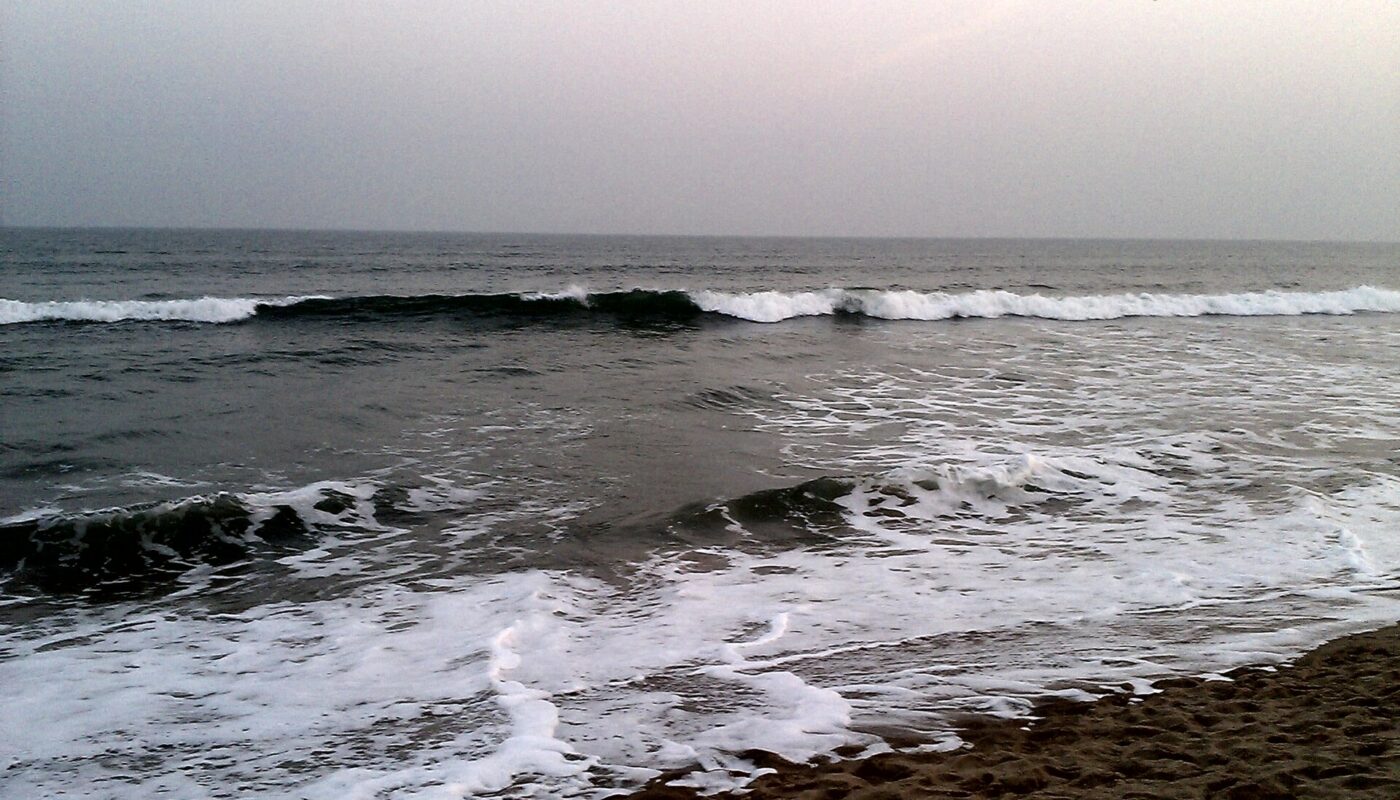
Photo: Rishabh Tatiraju / CC BY-SA 3.0 / Wikimedia Commons (file photo of the Gopalpur-on-Sea beach, not taken during the cyclone)