
Israeli President Isaac Herzog on Sunday 8 November formally tasked opposition leader Gadi Eisenkot with forming the next government, Al Jazeera reported. Eisenkot has six weeks to assemble a coalition after the 27 October election, in which neither of the two main blocs reached the 61 seats needed for a majority.
According to the report, Eisenkot’s four-party alliance won 48 seats and Prime Minister Benjamin Netanyahu’s right-wing and religious bloc won 53, with Arab-led parties taking a record 19. Eisenkot has ruled out governing with the Arab-led parties, who endorsed him for the mandate. Al Jazeera calculates that winning over the ultra-Orthodox parties United Torah Judaism and Shas would give him exactly 61, and that he could also govern with fewer if he wins a confidence vote in the Knesset.
At the ceremony in Herzog’s Jerusalem office, Eisenkot said he was open to including Netanyahu in his coalition, and suggested Finance Minister Bezalel Smotrich would be welcome too. He appealed to Likud and the Religious Zionist Party to back him, citing their own claims that the country needs unity. Herzog said Israel “needs a stable government” and pointed to uncertainty after the 3 November US midterm elections.
If Eisenkot fails, Netanyahu, who remains caretaker prime minister, would be next to be given the task; if he also fails, fresh elections would be called. Al Jazeera notes that critics say prolonging the process is Netanyahu’s aim. The article does not report a response from Netanyahu.
Reporting note: the seat figures and coalition arithmetic come from a single outlet, Al Jazeera, and the coalition maths is its own calculation. Netanyahu’s reaction was not available.
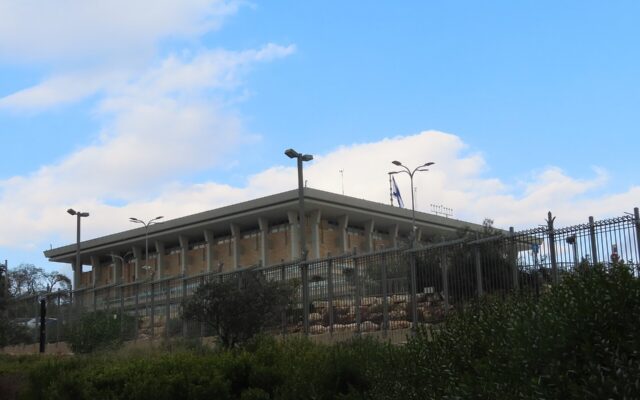
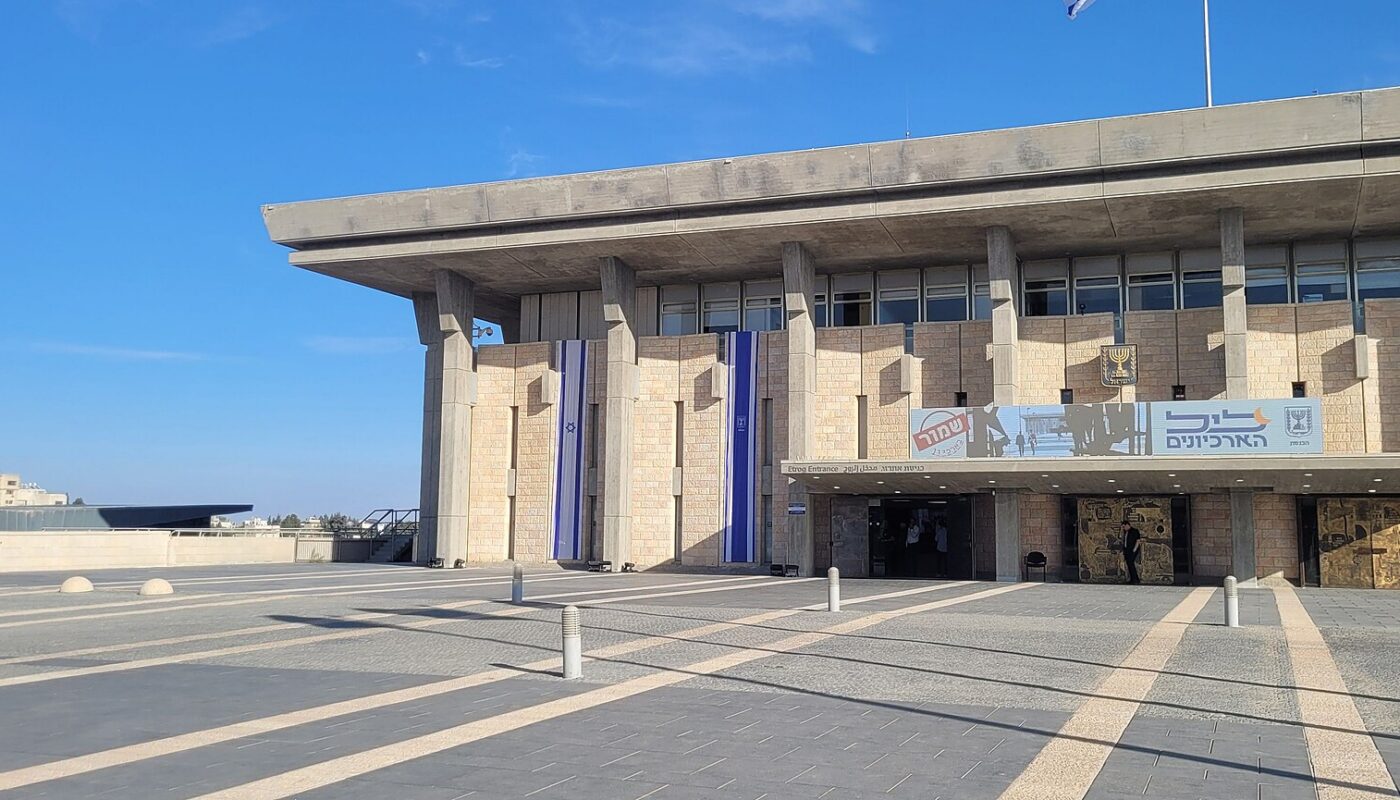
Photo: Shlomo Spitzer / CC BY 2.5 / Wikimedia Commons