
Philadelphia International Airport has become the first US airport where Global Entry members are verified on arrival by facial comparison cameras rather than kiosks, according to a report by ID Tech published on 9 November 2026. US Customs and Border Protection (CBP) put the process into use on 13 October.
As CBP describes it, two automated cameras start when a traveller approaches. The member lines up with an on-screen outline after removing glasses, hats and face coverings, and a “Processing Completed” message directs them to the exit. If the portal asks for a travel document, the member scans it, and a “See Officer” message sends anyone with a problem to a line where an officer can help. The portals replace the kiosks where members answered customs declaration questions and remove paper receipts. Members can still use the Trusted Traveler mobile app at participating locations.
CBP expects to extend the system to as many as 38 terminals at 30 high-volume airports, including some Preclearance locations abroad. Global Entry, the voluntary programme for pre-approved travellers, had 15.6 million active members as of 1 October, ID Tech reported. In September CBP opened a procurement for a facial comparison system to modernise Global Entry processing across several terminals. Elliot N. Ortiz, CBP’s area port director in Philadelphia, said the change supports more efficient processing and national security.
Reporting note: ID Tech cites a CBP press release and PhillyVoice; only ID Tech’s account was read here. The stated benefits are CBP’s own claims, and the nationwide rollout is described as an expectation rather than a firm timetable.
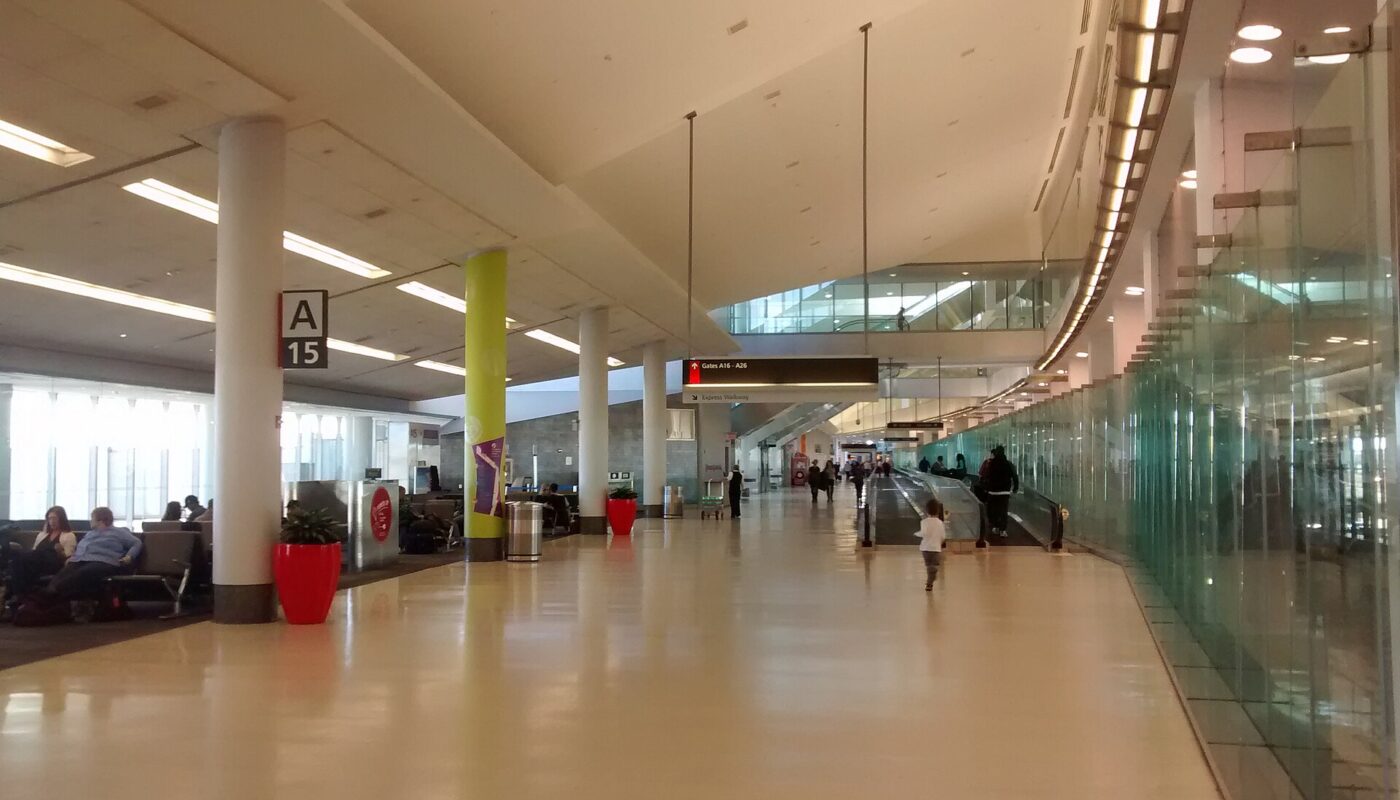
Photo: Mx. Granger / CC0 / Wikimedia Commons